Elementos esenciales para la preparación del RV para el invierno

Filtrar:

Precio
El precio más alto es $849.99 Restablecer
$
$
Tipo de producto
0 seleccionados Restablecer
Marca
0 seleccionados Restablecer

118 productos

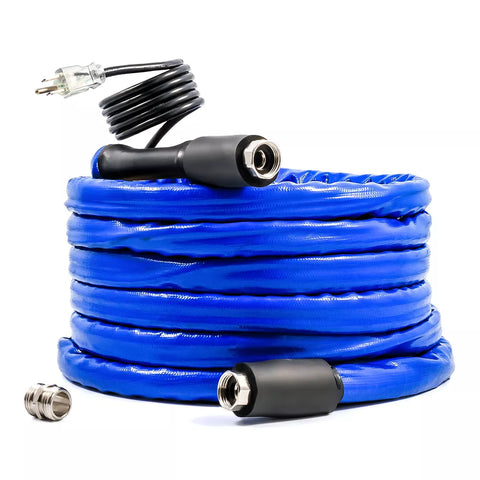
RV Winterization Bundle with Blue Heated Hose and Air Compressor - Product Layout | United RV Parts
Ahorre $119.08
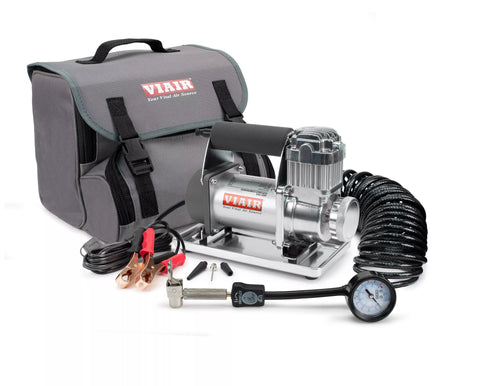
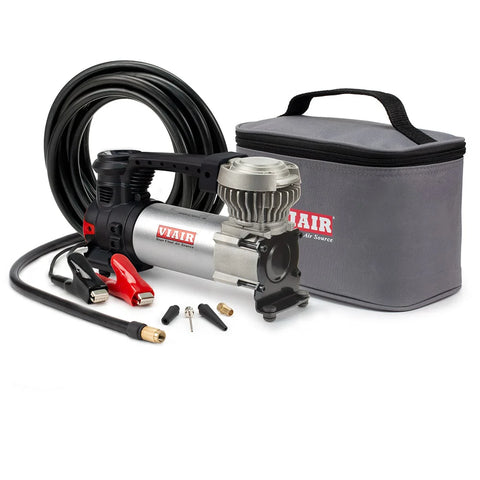
Viair 89P RVS Portable Tire Inflator Complete Kit - Full Set View | United RV Parts
Ahorre $10.04
Blue Camco Spring Fresh Water System Cleaner - Front View | United RV Parts
Ahorre $9.00
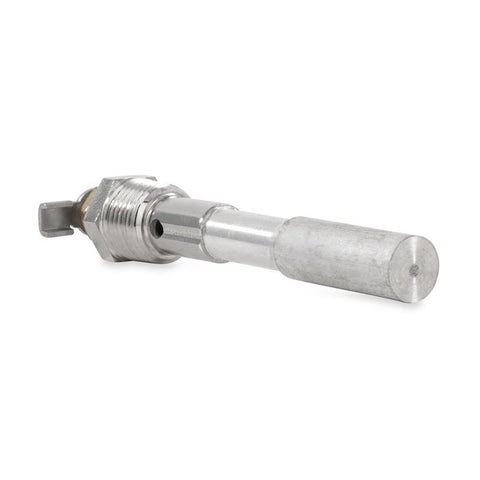
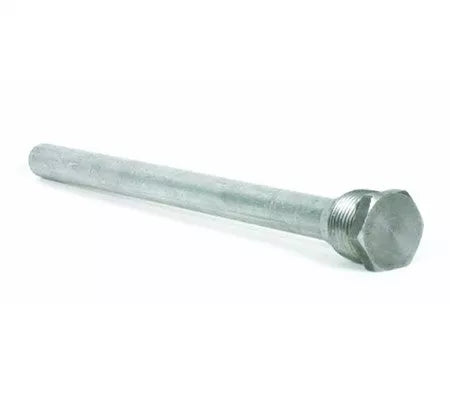
Suburban 233516 Aluminum Anode Rod - Angled View | United RV Parts
Ahorre $6.00
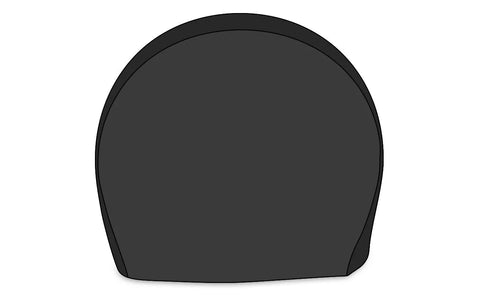
Black ADCO Double Axle Tyre Gard RV Tire Cover - Installed Side View | United RV Parts
Ahorre $14.00
White Vinyl ADCO Triple Axle Tyre Gard RV Tire Cover 3983 - Installed on RV | United RV Parts
Ahorre $10.00
White ADCO Ultra Tyre Gard Cover - Single View | United RV Parts
Ahorre $10.00
White ADCO Ultra Tyre Gard RV Tire Cover 24-26 Inch - Front View | United RV Parts
Ahorre $10.00
White ADCO Ultra Tyre Gard RV Tire Cover 27-29 Inch - Front View | United RV Parts
Ahorre $10.00
White ADCO Ultra Tyre Gard Cover - Front View | United RV Parts
Ahorre $10.00
ADCO | Ultra Tyre Gard | Blanco | 3951 | 33"-35"
Ahorre $10.00
White ADCO Ultra Tyre Gard RV Tire Cover 36-39 Inch - Front View | United RV Parts
Ahorre $10.00
White ADCO Ultra Tyre Gard RV Tire Cover - Front View | United RV Parts
Ahorre $10.00
ADCO | Ultra Tyre Gard | Negro | 3975 | 18"-22"
Ahorre $13.00
Black ADCO Ultra Tyre Gard RV Tire Cover 24"-26" - Front View | United RV Parts
Ahorre $13.00
ADCO | Ultra Tyre Gard | Negro | 3973 | 27"-29"
Ahorre $13.00
Black ADCO Ultra Tyre Gard RV Tire Cover 30-32 Inch - Front View | United RV Parts
Ahorre $13.00
Black ADCO Ultra Tyre Gard Cover Model 3971 - Front View | United RV Parts
Ahorre $13.00
Black ADCO Ultra Tyre Gard RV Tire Cover 36"-39" - Front View | United RV Parts
Ahorre $13.00

Guía completa para preparar su RV para el invierno: Cómo proteger su casa rodante durante la temporada de frío

A medida que bajan las temperaturas y se acerca el invierno, es fundamental preparar su autocaravana para los meses más fríos que se avecinan. Preparar adecuadamente su vehículo recreativo para el invierno es crucial para proteger sus sistemas y su integridad estructural contra posibles daños causados ​​por las temperaturas gélidas.

What goes into an RV winterization kit?

A complete RV winterization setup includes RV antifreeze (non-toxic propylene glycol), a winterizing hand pump or water pump converter kit, a blowout plug for compressed-air purging, and a clear hose for siphoning antifreeze through the freshwater system. Many owners also add water heater bypass valves and a fresh tank flush wand. See the full RV winterizing kits collection for pre-packaged options that cover most rigs in one purchase.

How much RV antifreeze do I need to winterize my camper?

Plan on 2 to 3 gallons for most travel trailers and small Class C rigs, and 3 to 4 gallons for fifth wheels or Class A motorhomes with longer plumbing runs. If you bypass the water heater (a 6 or 10-gallon tank), you save roughly that volume of antifreeze. For owners with larger systems, check the 10 gallon RV water heater collection for the bypass kits that make this step quicker.

Do I need a pump to winterize my RV, or can I use the onboard pump?

You can use either. A dedicated hand pump or a water pump converter kit pulls antifreeze directly from the jug through a siphon hose, bypassing the freshwater tank entirely. Using the onboard 12V pump works too, but you have to pour antifreeze into the freshwater tank first, which wastes fluid and leaves residue. The converter kit method is the cleaner approach for most owners winterizing annually.

What hose should I use for winterizing an RV?

Use a clear, food-grade vinyl siphon hose (typically 3/8 inch ID) so you can see antifreeze flowing through the line. Clear hose lets you confirm the system is fully charged at each fixture, kitchen tap, bath sink, shower, toilet, and outside shower, before you stop pumping. Avoid garden hose for this job; the wall material is not rated for the pump suction and can collapse.

When should I winterize my RV?

Winterize before the first hard freeze in your area, generally when overnight lows drop below 32°F for several nights in a row. In northern states that means late October to mid-November; in milder climates, December is often fine. If you store the RV outside without heated wet bays, do not wait, a single freeze can split a fitting or crack the water heater tank.

Can I winterize my RV without using antifreeze?

Yes, the compressed-air blowout method clears all water from the lines using a blowout plug and a shop compressor set to 30-40 PSI. It works well for short storage periods or mild climates but leaves traps and the water heater tank vulnerable to residual moisture. Most owners in freeze-prone regions use the blowout method first, then follow with antifreeze through P-traps and the water pump for full protection.