
Otras categorías que pueden resultarte útiles para Cables de extensión y alimentación para vehículos recreativos


33 productos

$39.99 $52.99
Vaterra | Cable de extensión para autocaravana de 30 amperios | A10-3010EH | 3 m | Con asa
Ahorre $13.00


Ahorre $60.00

$179.99 $239.99
Valterra | Cable de extensión para vehículos recreativos de 30 amperios | A10-3050EH | 50'
Ahorre $60.00

$149.99 $209.99
Valterra | Cable de extensión para vehículos recreativos de 50 amperios | A10-5010EH | 10'
Ahorre $60.00
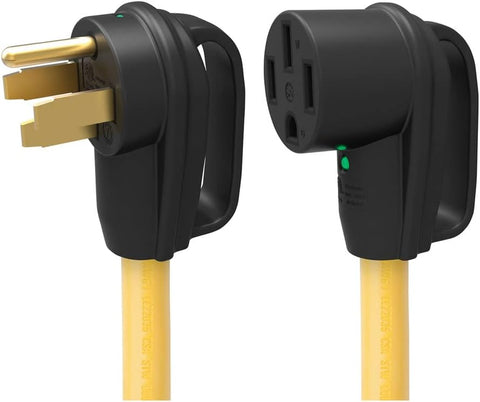

$169.99 $249.99
Valterra | Cable de extensión para vehículos recreativos de 50 amperios | A10-5015EH | 15'
Ahorre $80.00

$279.99 $359.99
Valterra | Cable de extensión para vehículos recreativos de 50 amperios | A10-5025EH | 25'
Ahorre $80.00

$409.99 $539.99
Valterra | Cable de extensión para vehículos recreativos de 50 amperios | A10-5050EH | 50'
Ahorre $130.00

$139.99 $209.99
Valterra | Cable de alimentación para autocaravana de 30 amperios, desmontable | A10-3025ED | 7,62 m | Con asa
Ahorre $70.00

$159.99 $239.99
Valterra | Cable de alimentación para autocaravanas | 30 A, giro de 90 grados | A10-3025ED90 | 25'
Ahorre $80.00

Ahorre $70.00

$259.99 $399.99
Valterra | Cable de alimentación para autocaravanas | 50 A, giro de 90 grados | A10-5025ED90 | 25'
Ahorre $140.00
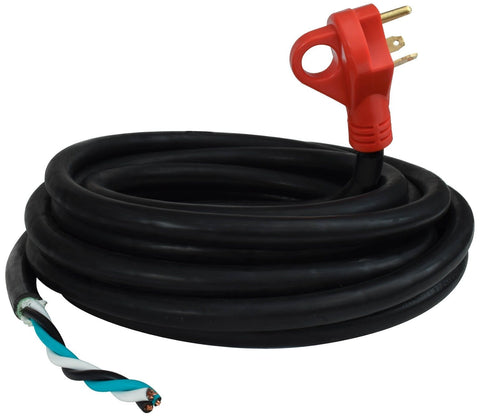
$89.99 $109.99
Valterra | Cable de alimentación para autocaravanas | Cable desnudo de 30 amperios | A10-3025END | 25'
Ahorre $20.00

$269.99 $309.99
Valterra | Cable de alimentación para autocaravanas | Cable desnudo de 50 amperios | A10-5025END | 25'
Ahorre $40.00

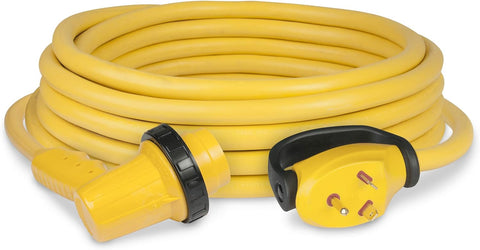
Ahorre $40.00
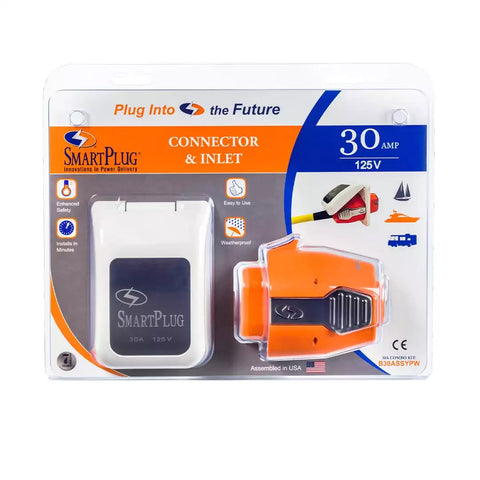
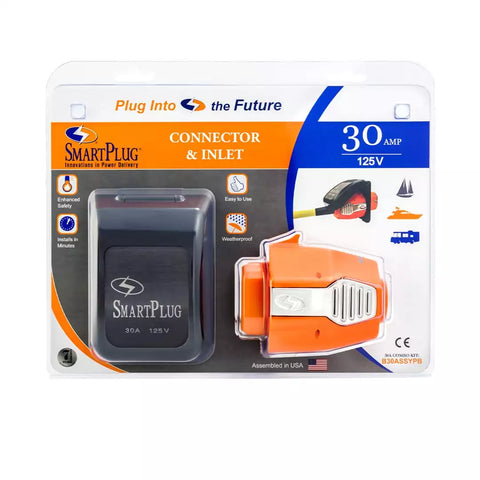
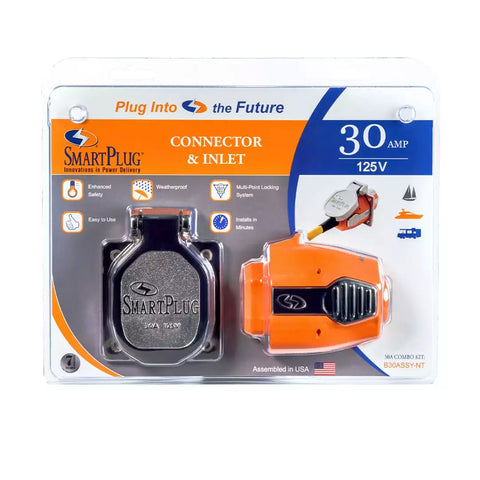
Ahorre $80.00
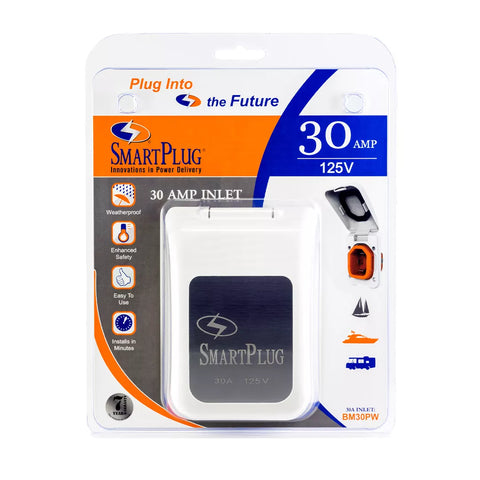
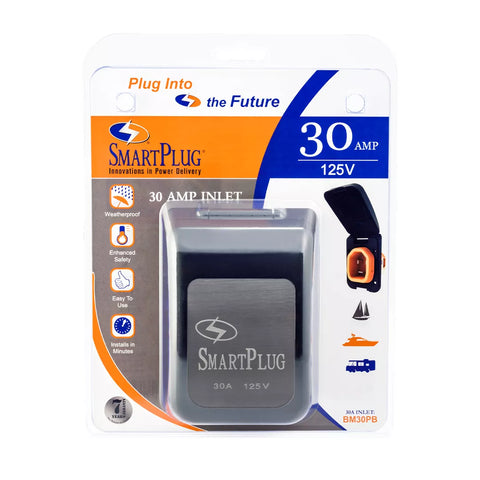


Ahorre $52.29


AgotadoAhorre $60.00


$99.99 $139.99
Superior Products Company | 30 AMP RV Power Cord | SP30A25DETACH | Power Indicator Light | Detachable | 25'
Ahorre $40.00

Ahorre $30.00
Los cables de alimentación y los cables de extensión para vehículos recreativos son la línea vital que conecta su vehículo a varias fuentes de energía, lo que garantiza una conexión eléctrica segura y perfecta.

Impulsa tus aventuras en RV: Guía para elegir el cable de alimentación y los adaptadores perfectos