RV Portable Waste Tanks

38 productos

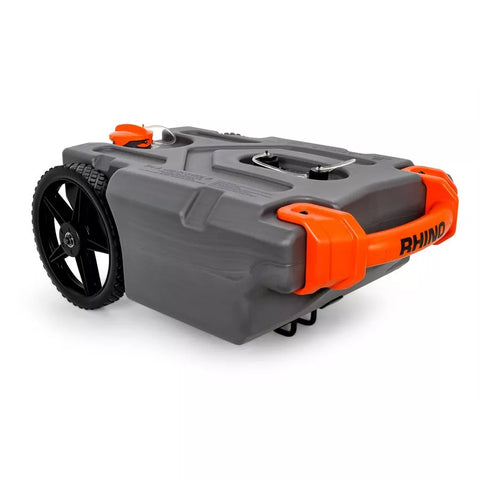
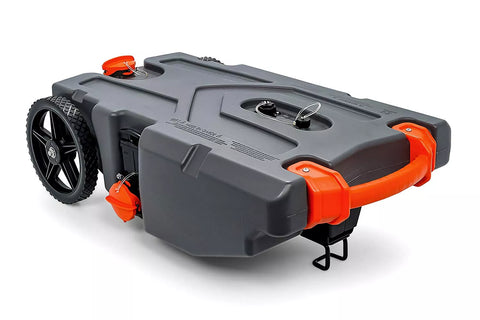
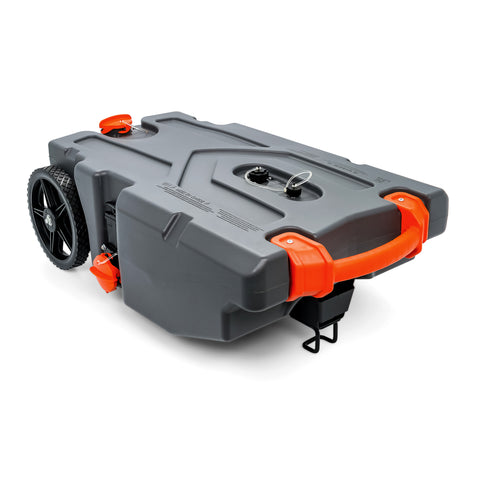
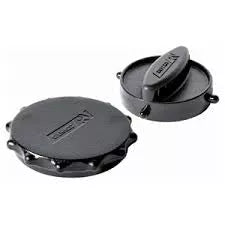
Camco Rhino RV Tote Tank Fill Gauge 39012 - Package View | United RV Parts
Ahorre $7.00

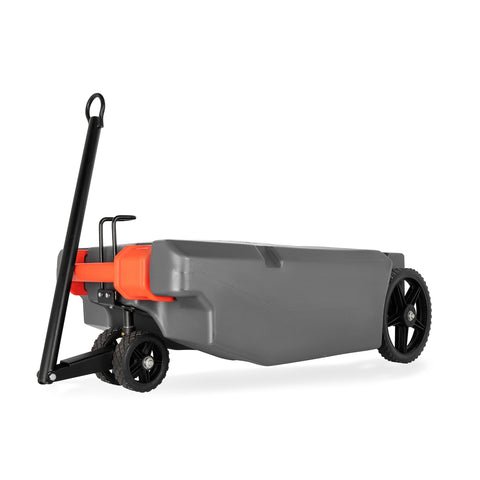
A portable waste tank, often called a tote tank or blue boy, lets you empty your gray or black tank without breaking camp. You fill the tote at the RV, wheel it to the dump station, and empty it there, which matters on longer stays or any site without a sewer hookup.

Capacity is the first decision, limited by what you can actually move. Tanks run from 10 to 42 gallons across Barker Tote-Along, Camco Rhino, and Valterra Silverback. A full 36-gallon tank weighs close to 300 pounds, so bigger is not always better.

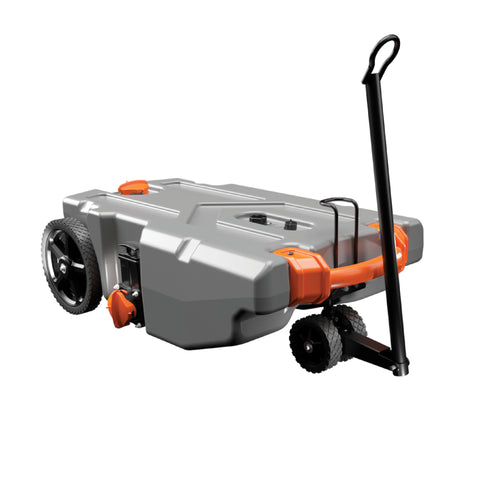
Wheel configuration is the second. Two-wheel tanks are lighter and cheaper but need lifting at the handle end. Four-wheel models with steerable front wheels roll flat and handle far better when loaded.

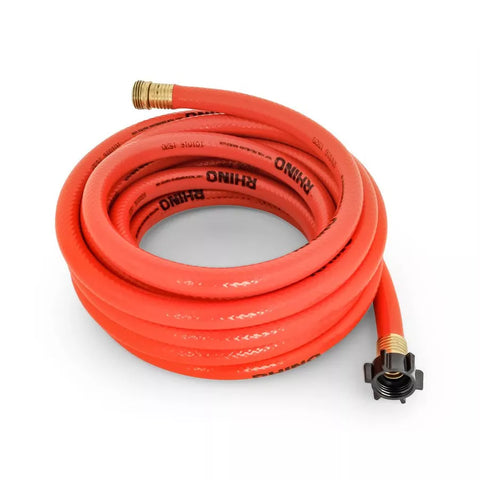
Tow brackets, steerable wheel kits, fill gauges, and tote hoses are stocked alongside the tanks.
What size portable waste tank do I need for my RV?

Capacity depends on how long you plan to go between dump station visits and how many people are using the RV. A 15- to 21-gallon tank handles a weekend trip for two people comfortably. For families or trips longer than three days, a 32- to 42-gallon tank is the practical choice. Measure the storage bay or tow vehicle cargo area before ordering — tank dimensions vary significantly between manufacturers even at the same gallon rating. Most tanks in our collection list exterior dimensions in the product specs; confirm those against your available space before purchasing.

Can I use a portable waste tank with any RV sewer connection?

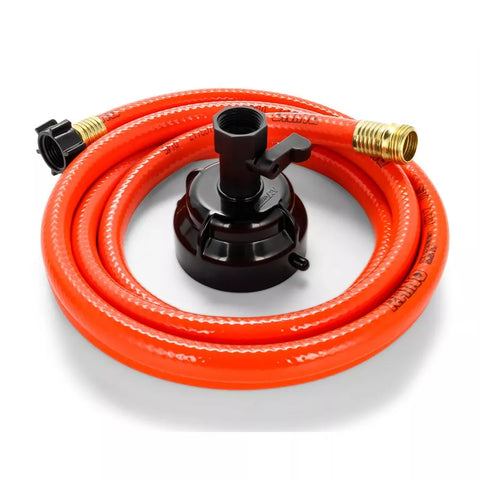
Most portable waste tanks connect through a standard 3-inch bayonet fitting, which is compatible with the majority of RV dump valves sold in the last 20 years. The hose and adapter included with the tank determines whether it mates correctly to your RV's termination fitting and to the dump station inlet. If your rig has a non-standard fitting or an older gate valve setup, check the connection type listed in the product description before ordering. For related sewer fittings and hose components, see our full RV sewer parts and black water plumbing range.

How do I transport a portable waste tank after emptying a black water tank?

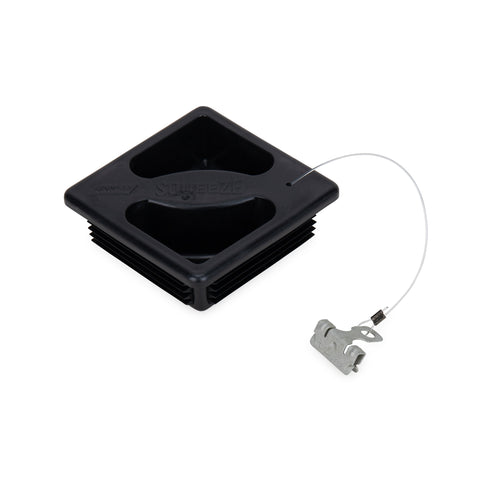
Portable waste tanks are designed to be towed behind a tow vehicle or moved on wheels built into the tank base. Flush the holding tank completely into the portable tank, then close your RV's dump valve before disconnecting. Most tanks include a threaded cap to seal the inlet during transport. Tow-behind models use a ball hitch receiver and can travel at low speed to the dump station without strapping to a vehicle bed. After dumping, rinse the tank at the dump station flush port before stowing it. Rinse gloves and the connection hose at the same time.

What holding tank treatments work with portable waste tanks?

Enzyme-based treatments are the safest option for portable tanks because they break down waste without corroding plastic tank walls or seals. Drop-in pods sized for the tank's gallon capacity are the most convenient format. Avoid formaldehyde-based treatments in any portable tank you plan to dump at campground stations — many facilities prohibit them. Add the treatment before the first use of each trip so it can begin working immediately. Dosage is typically listed by tank gallon capacity on the product label; follow that rather than estimating.

Are portable waste tanks safe to use near propane systems?

A portable waste tank itself does not interact with propane lines. However, if you are storing the tank near LP appliances or inside an enclosed bay, proper ventilation is important because holding tanks release hydrogen sulfide gas during waste decomposition. Keep the tank capped when not in active use. If your RV has a combination propane and carbon monoxide alarm, it will not detect hydrogen sulfide specifically; a dedicated tank sensor is a separate consideration. For safety-related RV monitoring, see our combination carbon monoxide and propane alarms.

Do portable waste tanks require any tools to set up?

No tools are needed for standard portable tank hookup. The tank connects to your RV's termination point with the included hose and bayonet fittings by hand. Wheel-equipped tanks arrive with the axle and handle pre-assembled in most cases; some models require snapping the wheels onto the axle pin, which takes about two minutes. If your termination fitting requires a specific adapter not included in the kit, that adapter threads on by hand as well. Confirm the included hose length against the distance between your RV's dump outlet and your parking surface before your first use.