Kits de preparación para el invierno de vehículos recreativos

Filtrar:

Precio
El precio más alto es $585.87 Restablecer
$
$
Tipo de producto
0 seleccionados Restablecer
Marca
0 seleccionados Restablecer

23 productos

Watts FP-WP100 Winterizing Bypass Plates - Two Round Discs Top View | United RV Parts
Ahorre $15.00
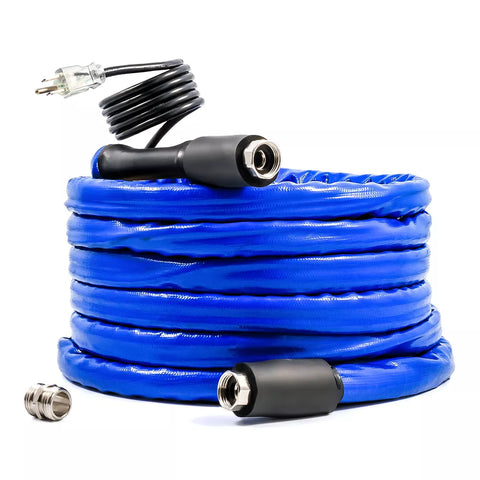
RV Winterization Bundle with Blue Heated Hose and Air Compressor - Product Layout | United RV Parts
Ahorre $119.08

Preparar su autocaravana para el invierno es esencial para protegerla de los efectos de las bajas temperaturas. Afortunadamente, nuestros kits de preparación para el invierno ofrecen una solución integral para garantizar que su vehículo se mantenga en óptimas condiciones durante los meses más fríos. Estos kits incluyen componentes esenciales como anticongelante, tapones de escape y kits de derivación para el calentador de agua, todos los cuales previenen daños internos causados ​​por el hielo y la congelación.

Diseñados para facilitar su uso, nuestros kits de invernaje para vehículos recreativos permiten a los propietarios preparar su vehículo para el frío y la nieve sin necesidad de ayuda profesional. Un kit de invernaje para vehículos recreativos es fundamental para proteger las tuberías de agua, los sistemas de desagüe y otros componentes críticos, prolongando así su vida útil. Invertir en accesorios de invernaje de calidad no solo previene posibles daños invernales, sino que también garantiza que su vehículo esté listo para las aventuras con la llegada del buen tiempo.

Guía completa para preparar su RV para el invierno: Cómo proteger su casa rodante durante la temporada de frío

A medida que bajan las temperaturas y se acerca el invierno, es fundamental preparar su autocaravana para los meses más fríos que se avecinan. Preparar adecuadamente su vehículo recreativo para el invierno es crucial para proteger sus sistemas y su integridad estructural contra posibles daños causados ​​por las temperaturas gélidas.

What is in an RV winterizing kit?

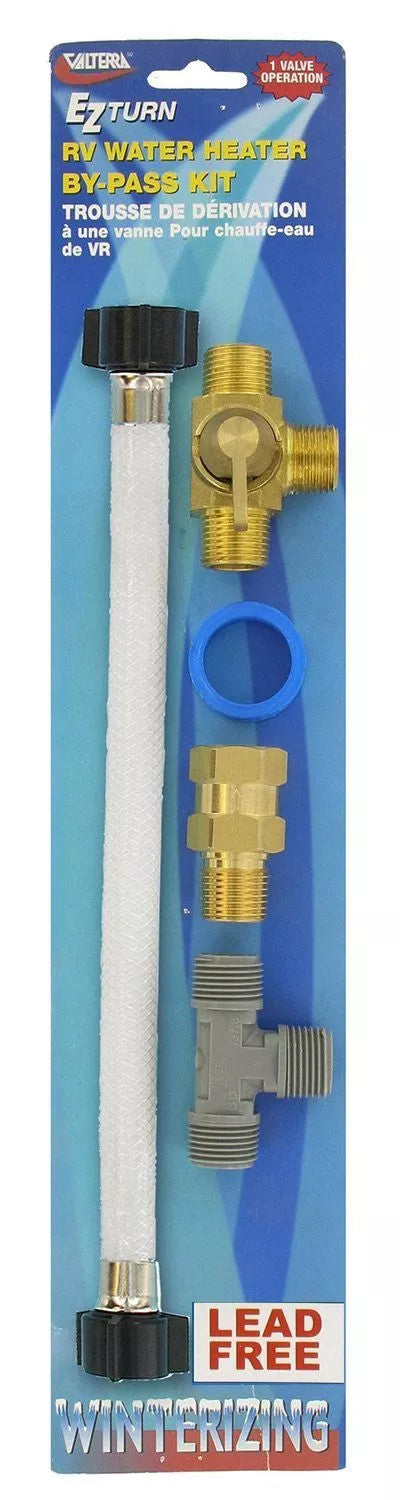
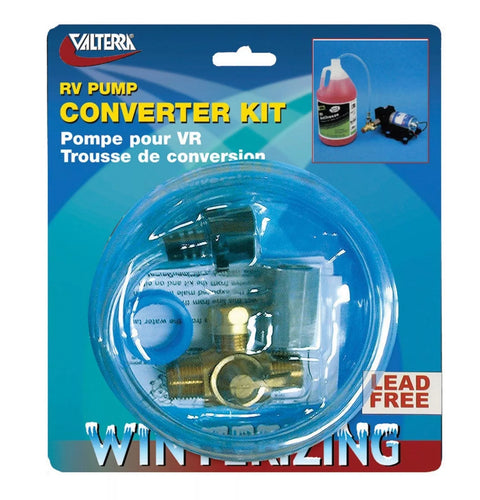
A standard RV winterize kit includes the components needed to bypass your water heater and pump non-toxic RV antifreeze through your plumbing lines. Most kits contain a siphon hose, brass or plastic valves, fittings, and a pump converter that threads onto your water pump inlet. Some kits also bundle blow-out plugs for compressed-air winterization. Check your specific RV's plumbing layout before ordering to confirm fitting size and water heater bypass configuration.

How much RV antifreeze do I need to winterize my camper?

Most travel trailers and Class C motorhomes need 2 to 3 gallons of non-toxic RV antifreeze. Larger fifth wheels and Class A coaches with washer hookups, ice makers, or multiple bathrooms typically need 4 to 6 gallons. Always use pink RV/marine antifreeze rated for potable water systems, never automotive antifreeze. Run antifreeze through every faucet, shower, toilet, and outside spray port until you see pink fluid coming out.

Do I need to bypass my water heater before winterizing?

Yes. Bypassing the water heater prevents 6 to 10 gallons of antifreeze from filling the tank, which is both wasteful and unnecessary since the tank should be fully drained for winter storage. If your RV did not come with a factory bypass kit, the winterizing kits in this collection include the valves and fittings to install one. After bypassing, drain the tank using the petcock and remove the anode rod on Suburban units. For replacement anodes and tank parts, see our 10 gallon RV water heater collection.

Should I use compressed air or antifreeze to winterize?

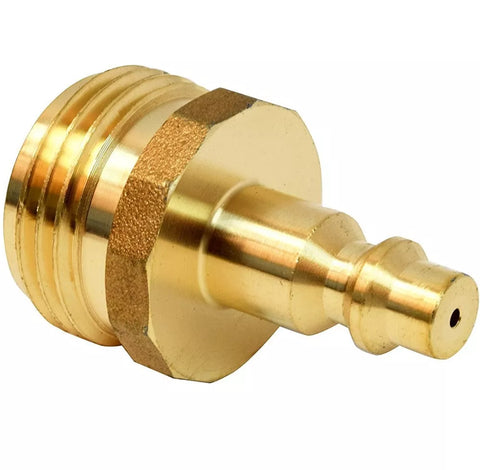
Both methods work, and many RV owners use them together. Compressed air with a blow-out plug clears the bulk of the water from supply lines, then antifreeze protects P-traps, the toilet seal, the water pump, and any low spots that air alone cannot reach. If you store your RV in a region that stays below 20°F for extended periods, the combined approach gives the most reliable freeze protection. Keep your shore power and battery systems ready for spring with parts from our RV electronics and RV plug adapters collections.

When should I winterize my RV?

Winterize before the first hard freeze in your area, typically when overnight temperatures are forecast to drop below 32°F for two or more consecutive nights. Water left in supply lines, the pump, or the water heater can crack fittings, split the pump housing, or rupture the tank once it freezes. If you camp into the shoulder season, keep a winterizing kit on hand so you can protect the system on short notice after your last trip.

Will these winterizing kits fit my RV?

The kits in this collection use standard 1/2 inch PEX and garden hose fittings that match most domestic RV plumbing systems built in the last 20 years. Confirm your water pump inlet thread size and whether your water heater already has a factory bypass installed before ordering. If you need help matching a kit to your rig, text or call our team at 817-984-1852 with your RV year, make, and model.